
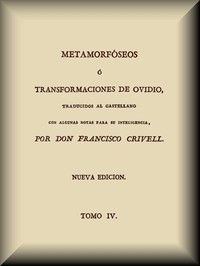
Metamorfóseos o Transformaciones (4 de 4) by Ovid
Okay, let's clear something up first: this isn't a novel with one hero and a linear plot. Think of Ovid's Metamorphoses as the most epic, interconnected story collection ever written. It's a single, flowing poem that starts with the creation of the world from chaos and ends with the deification of Julius Caesar. In between, Ovid weaves together over 250 myths, all linked by one powerful theme: change.
The Story
The book is a journey through time and myth. We see the universe form, watch gods like Jupiter and Apollo pursue (and often assault) mortals, leading to their transformations as escape or punishment. Daphne becomes a laurel tree to flee Apollo. Arachne is turned into a spider for daring to challenge the goddess Minerva in a weaving contest. King Midas gets his golden touch. The poem moves from the age of gods to the age of heroes (like Jason and Theseus), and finally to what Ovid considered "history." The structure feels like flipping through a breathtaking, sometimes terrifying, family album of the ancient world, where the family tree has a lot of branches, leaves, and animal features.
Why You Should Read It
What blows my mind is how modern these stories feel. Ovid wasn't just recording dry myths; he was a master psychologist. His gods are vain, jealous, and passionate. His humans are prideful, clever, and desperate. The transformations aren't just magical special effects—they're vivid metaphors for our own lives. Puberty, grief, love, trauma, artistic creation... Ovid frames them all as a kind of metamorphosis. You'll recognize the roots of so many stories we still tell, from Shakespeare to modern fantasy novels. Reading it, you get this incredible sense of being plugged directly into the ancient imagination.
Final Verdict
This is a book for the curious. It's perfect for anyone who loves mythology but finds standard retellings too clean. It's for writers and artists looking for the original, weird, and profound versions of classic tales. It's also for readers who don't mind a non-linear structure and enjoy seeing how one story echoes into the next. If you approach it not as a textbook but as a sprawling, poetic epic about the chaos and beauty of change, you'll be rewarded with one of the most influential and strangely relatable books ever written.
This text is dedicated to the public domain. Distribute this work to help spread literacy.
Susan Rodriguez
1 year agoFrom the very first page, the content flows smoothly from one chapter to the next. Worth every second.
Lisa Wilson
1 year agoWithout a doubt, the storytelling feels authentic and emotionally grounded. Don't hesitate to start reading.


Thomas Harris
3 months agoThis is one of those stories where it manages to explain difficult concepts in plain English. A true masterpiece.