
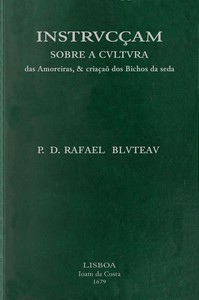
Instrvcçam sobre a cvltvra das amoreiras, & criaçaõ dos bichos da seda by Bluteau
Let's be clear from the start: this is not a novel. "Instrvcçam sobre a cvltvra das amoreiras, & criaçaõ dos bichos da seda" is exactly what its title promises—a detailed, step-by-step instruction manual. Written by Father Rafael Bluteau and published in the early 1700s, it walks you through the entire process of sericulture, or silk production.
The Story
There's no plot in the traditional sense. Instead, the 'story' is the journey of the silkworm itself, as guided by Bluteau's meticulous hand. He starts with the foundation: how to plant, nurture, and harvest mulberry trees, the only food source for the precious silkworms. Then, he moves to the heart of the operation: the 'bichos da seda.' He explains how to breed the moths, care for the ravenous caterpillars, maintain their environment, and finally, harvest the delicate cocoons they spin. He doesn't miss a beat, covering everything from preventing disease in your worm colony to the best methods for reeling the raw silk from the boiled cocoons. The book is a linear, practical narrative from seed to shimmering thread.
Why You Should Read It
You read this for the human obsession baked into every line. Bluteau wasn't just writing a farm guide; he was on a patriotic mission to build a national industry. His passion is palpable. When he describes the exact shade of green a healthy mulberry leaf should be, or the precise temperature for the rearing room, you feel the weight of his conviction. This was cutting-edge tech for its time. Reading it, you step into the mind of an Enlightenment-era thinker who saw science, faith, and national pride as intertwined. It’s a fascinating look at how 'non-fiction' was written centuries ago—blending observation, received wisdom, and a deep desire to teach and improve society. The book itself is a historical artifact, a snapshot of ambition and everyday life.
Final Verdict
This is a niche read, but a rewarding one. It’s perfect for history buffs and science enthusiasts who love primary sources. If you enjoy books like Mark Kurlansky's "Salt" or are fascinated by the history of everyday objects, you'll appreciate seeing the raw, technical origins of the silk trade. It’s also great for anyone interested in Portugal's economic history or the spread of practical knowledge in the pre-industrial world. Don't expect a thrilling narrative, but do expect to be quietly amazed by the depth of detail and the very human drive to capture nature's secrets in a book.
No rights are reserved for this publication. It is available for public use and education.
Karen Torres
2 years agoI didn't expect much, but the clarity of the writing makes this accessible. Exceeded all my expectations.
Logan Lopez
1 month agoJust what I was looking for.
Charles Lewis
1 year agoMy professor recommended this, and I see why.
Sandra Garcia
1 year agoSimply put, the depth of research presented here is truly commendable. This story will stay with me.





Kevin Garcia
1 year agoVery interesting perspective.