
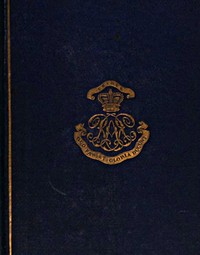
History of the Royal Regiment of Artillery, Vol. 1 by Francis Duncan
Okay, let's be clear from the start: this is a serious history book written in the 1800s. But if you give it a chance, Francis Duncan pulls you into a world that's more dynamic than you might expect. He starts at the very beginning, when 'artillery' was a messy, disorganized affair, and follows its rocky path to becoming the disciplined Royal Regiment we recognize.
The Story
Duncan doesn't just list facts. He tells the story of the regiment's birth and difficult childhood. He shows you the early days of using cannons in battle, which was often more dangerous for the crew than the enemy. The book follows the endless internal debates: Should artillery officers be scientists or soldiers? How do you train men to handle such complex and deadly equipment? You see the regiment through major wars, like the Napoleonic campaigns, but the focus is less on glory and more on the hard lessons learned from each bloody engagement. It's a story of constant adaptation, technological growing pains, and the fight for a clear identity within the army.
Why You Should Read It
What makes this book special is Duncan's access and perspective. He was writing with the full cooperation of the regiment, so he gets into the details—the letters, the reports, the personal accounts. You feel the frustration of early commanders and the pride in hard-won victories. He makes you understand that the precision of artillery wasn't a given; it was a hard-fought achievement. You come away with a deep appreciation for the sheer effort it took to turn the chaos of cannon fire into a science. It transforms the 'Gunners' from a faceless part of an army into a group of problem-solvers who changed the nature of war.
Final Verdict
This isn't a light, casual read. It's for the reader who's genuinely curious about military history and wants to go beyond the broad strokes. It's perfect for history buffs, especially those interested in the British Army, the Napoleonic era, or the development of technology in warfare. If you've ever visited a historic fort and wondered, 'How on earth did they actually use these things?' this book has your answers. Think of it as the definitive, character-filled origin story for one of the world's most famous military units. Just be ready for some old-fashioned prose and detailed descriptions of cannons—it's part of the charm.
Legal analysis indicates this work is in the public domain. Share knowledge freely with the world.
Richard Miller
8 months agoA bit long but worth it.
Steven Young
6 months agoEssential reading for students of this field.
Mary Lee
6 months agoJust what I was looking for.
Matthew Walker
6 months agoVery helpful, thanks.






Ethan Ramirez
2 months agoThis is one of those stories where the clarity of the writing makes this accessible. Worth every second.